What is a Social Media Content Calendar?
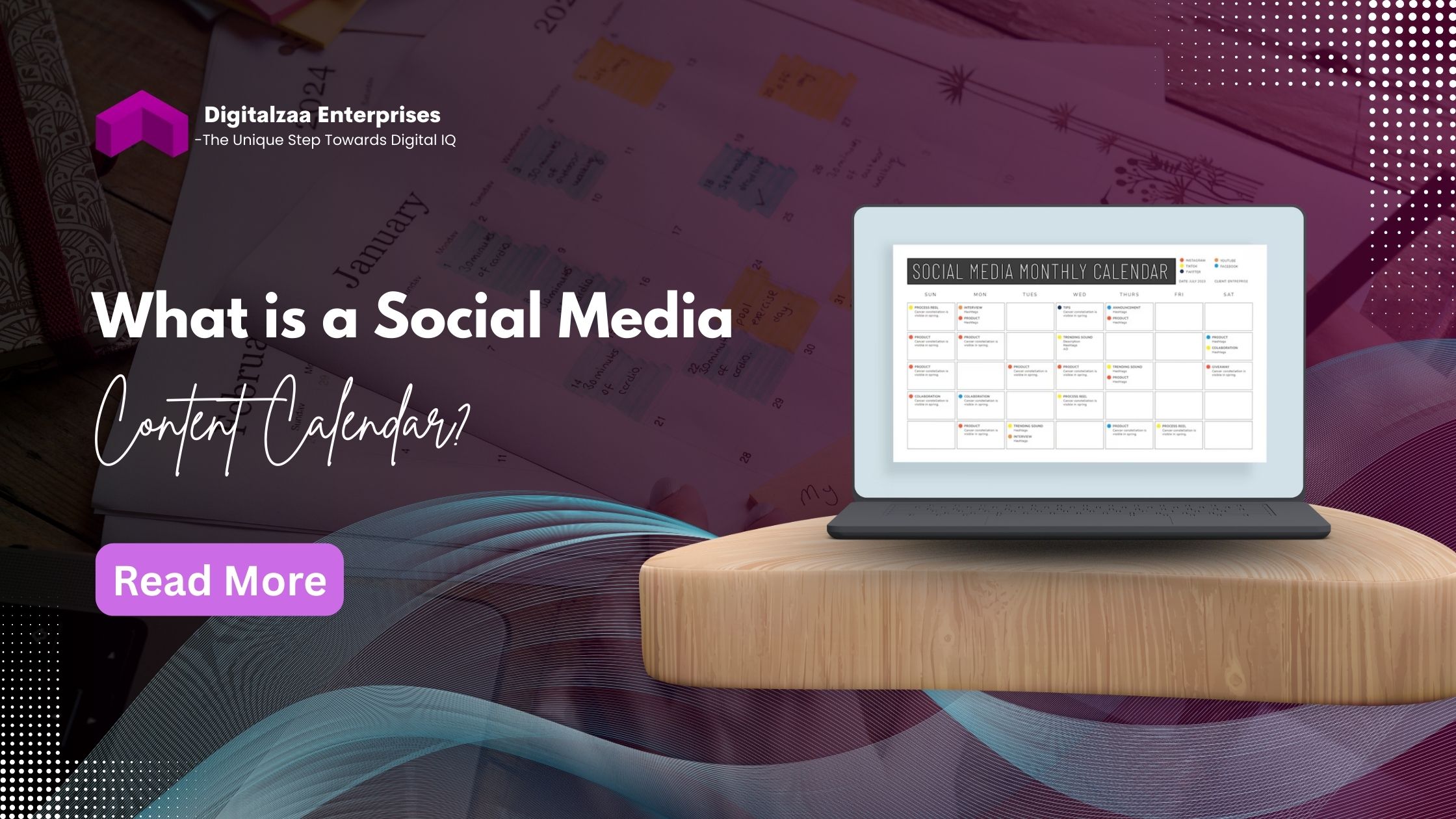
In today's fast-paced digital landscape, maintaining a consistent and engaging social media presence can feel overwhelming. Whether you're a small business owner, a marketing professional, or a content creator, the challenge of posting regularly while maintaining quality remains constant. This is where a social media content calendar becomes your most valuable asset.
Understanding the Social Media Content Calendar
A social media content calendar is a strategic planning tool that helps you organize, schedule, and manage your social media posts across multiple platforms in advance. Think of it as your content command center a visual workflow that outlines what you'll post, when you'll post it, and on which platforms.
Rather than scrambling each day to create content on the fly, a content calendar allows you to plan weeks or even months ahead. This systematic approach transforms chaotic posting habits into a streamlined strategy that drives consistent engagement and measurable results.
Why Your Brand Needs a Social Media Content Calendar
The benefits of implementing a content calendar extend far beyond simple organization:
- Strategic planning: A content calendar enables you to align your social media efforts with broader marketing campaigns, product launches, and business objectives. You can visualize how your content works together to tell a cohesive brand story.
- Time efficiency: Batch-creating content saves countless hours compared to daily content creation. Instead of interrupting your workflow multiple times per week, you can dedicate focused time blocks to content development.
- Consistency maintenance: Regular posting keeps your brand visible in crowded social feeds. A calendar ensures you never miss important posting windows or leave your audience wondering where you've gone.
- Quality improvement: When you're not rushing to meet daily deadlines, you have time to craft thoughtful, high-quality content that resonates with your audience. This leads to better engagement rates and stronger brand perception.
- Team collaboration: For businesses with multiple team members, a shared calendar eliminates confusion about who's posting what and when. Everyone stays aligned on messaging and timing.
- Performance tracking: When you plan content in advance, you can more easily identify patterns in what performs well and adjust your strategy accordingly.

Essential Components of an Effective Content Calendar
A comprehensive social media content calendar should include several key elements:
- Post date and time: Specify exactly when each piece of content will go live. Consider time zones and peak engagement hours for your specific audience.
- Platform designation: Clearly indicate which social networks will receive each post, whether it's Instagram, Facebook, LinkedIn, Twitter, or TikTok.
- Content format: Note whether you're sharing a photo, video, carousel, story, reel, or other content type. Different formats require different preparation approaches.
- Visual assets: Reference or attach the images, graphics, or videos that accompany each post. This ensures you have everything ready when it's time to publish.
- Copy and captions: Draft your written content, including primary text, hashtags, and any platform-specific variations needed.
- Links and CTAs: Document any URLs you're sharing and calls-to-action you want your audience to take.
- Campaign tags: Categorize posts by campaign, theme, or content pillar to ensure balanced coverage of different topics.
- Approval status: Track which content has been reviewed and approved, especially important for larger teams or client work.
Getting Started with Social Media Scheduling
Social media scheduling is the practical execution of your content calendar. Rather than manually posting at predetermined times, scheduling tools allow you to queue content in advance and automate publication.
Modern scheduling platforms offer powerful features that simplify the entire process. You can upload content in batches, preview how posts will appear on different platforms, and even get optimal posting time recommendations based on your audience's activity patterns.
The beauty of social media scheduling lies in its flexibility. You can plan your content during your most creative hours and let the technology handle distribution during peak engagement times—even if that's 6 AM or 10 PM when you're not at your desk.
Choosing the Right Content Calendar Template
The market offers numerous content calendar templates designed for different needs and preferences. Your choice depends on your team size, platform diversity, and planning style.
- Spreadsheet templates: Google Sheets or Excel-based calendars offer maximum customization. You can create columns for every data point that matters to your workflow. These work well for detail-oriented planners who want complete control.
- Visual calendar templates: Month-view or week-view formats help you see content distribution at a glance. These are excellent for identifying gaps in your posting schedule or ensuring theme variety.
- Platform-specific templates: Some templates are designed specifically for Instagram, LinkedIn, or multi-platform strategies. These often include platform-specific fields like Instagram caption length limits or LinkedIn article links.
- All-in-one management platforms: Tools like Hootsuite, Buffer, Sprout Social, and Later provide built-in calendar views with scheduling capabilities, analytics dashboards, and collaboration features all in one place.
For beginners, starting with a simple spreadsheet template is often the best approach. As your strategy matures, you can graduate to more sophisticated tools that match your growing needs.
Best Practices for Content Calendar Success

Creating a content calendar is just the first step. Maintaining and optimizing it requires ongoing attention:
- Plan with flexibility: While advance planning is valuable, leave room for spontaneous content responding to trending topics, news, or real-time engagement opportunities.
- Batch your content creation: Dedicate specific days to photography, writing, or video production. This focused approach is more efficient than switching between tasks constantly.
- Review and refine regularly: Set monthly reviews to assess what's working and what isn't. Use your analytics to inform future content decisions.
- Maintain a content library: Build a repository of evergreen content that can fill gaps when you're short on fresh ideas or time.
- Color-code for clarity: Use visual indicators to distinguish between content types, campaigns, or approval stages at a glance.
- Set realistic goals: Don't overcommit to posting frequencies you can't sustain. Consistency beats volume every time.
Conclusion
A social media content calendar isn't just an organizational tool, it's a strategic asset that elevates your entire digital marketing approach. By implementing structured planning, utilizing smart social media scheduling, and leveraging an appropriate content calendar template, you'll transform scattered posting into purposeful communication that builds your brand and engages your audience.
The investment of time you make in calendar planning pays dividends in reduced stress, improved content quality, and measurable business results. Start small, stay consistent, and watch your social media presence evolve from chaotic to controlled, from reactive to proactive.
Your audience deserves thoughtful, consistent content. Give yourself the tool that makes that possible, and start building your social media content calendar today.

Click here to access our Premium Social Media Templates now!
Author

Disha Rathi
International Author & Founder
Disha Rathi, is the Founder of Digitalzaa Enterprises, Quest Internationals, Marketing Enigma Business Magazine, CEO at Reliserv Solution & International Author. Disha Got Awarded BEST EMERGING WOMAN ENTREPRENEUR of the Year 2022. Disha helps individuals & Businesses to scale their revenue using Online Marketing by adding professional Skills in their mindset to get more Clients/customers. She had mentored multiple Businesses to hit 6-7 figures in revenue using her Brilliant Techniques & her 10+ Years of experience in the Field of Marketing.

